Why I'm building DirtWatts
Indoor cycling apps are built for roadies. Here is the origin story of DirtWatts—a smart trainer app created specifically for mountain bikers who want realistic singletrack, real-world trails, and authentic MTB physics.

I love mountain biking.
Ever since I got into riding back in 1994, it’s been a core passion of mine. Visiting Vail for the 1994 World Championships—and heading back in ’95 and ’96 for World Cup races—created memories I’ll never forget.
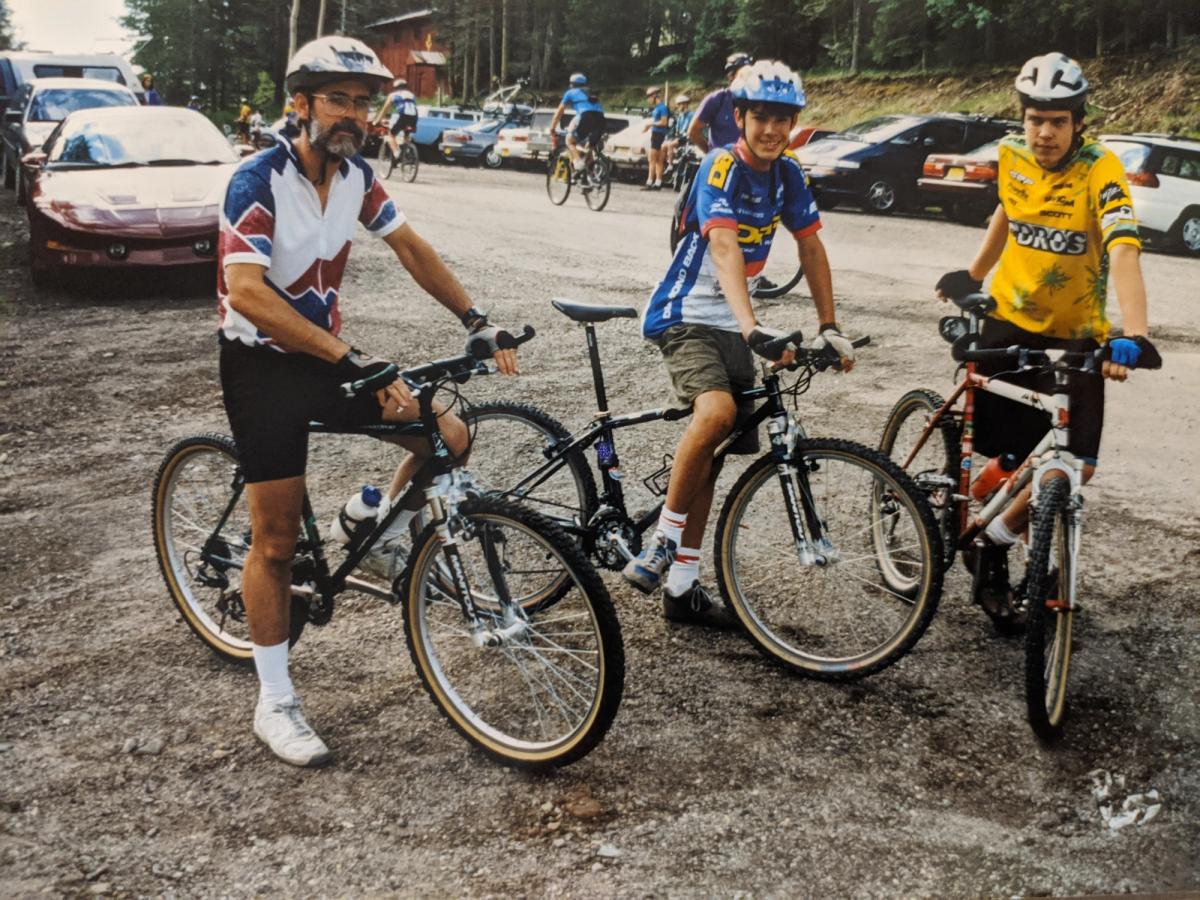
Fast forward a few decades, and I’m fortunate enough to live in a mountain biking mecca: Park City, Utah. With hundreds of miles of singletrack out the door and easy access to destinations like Moab and Jackson Hole, one is never wanting for choice.
A Humble starting point
Then October and November arrive, and the snow starts flying. While I love plenty of winter activities, I abhor treadmills and can’t bring myself to sit on a standard spin bike.
So, I picked up a wheel-on smart trainer to give indoor cycling a try.
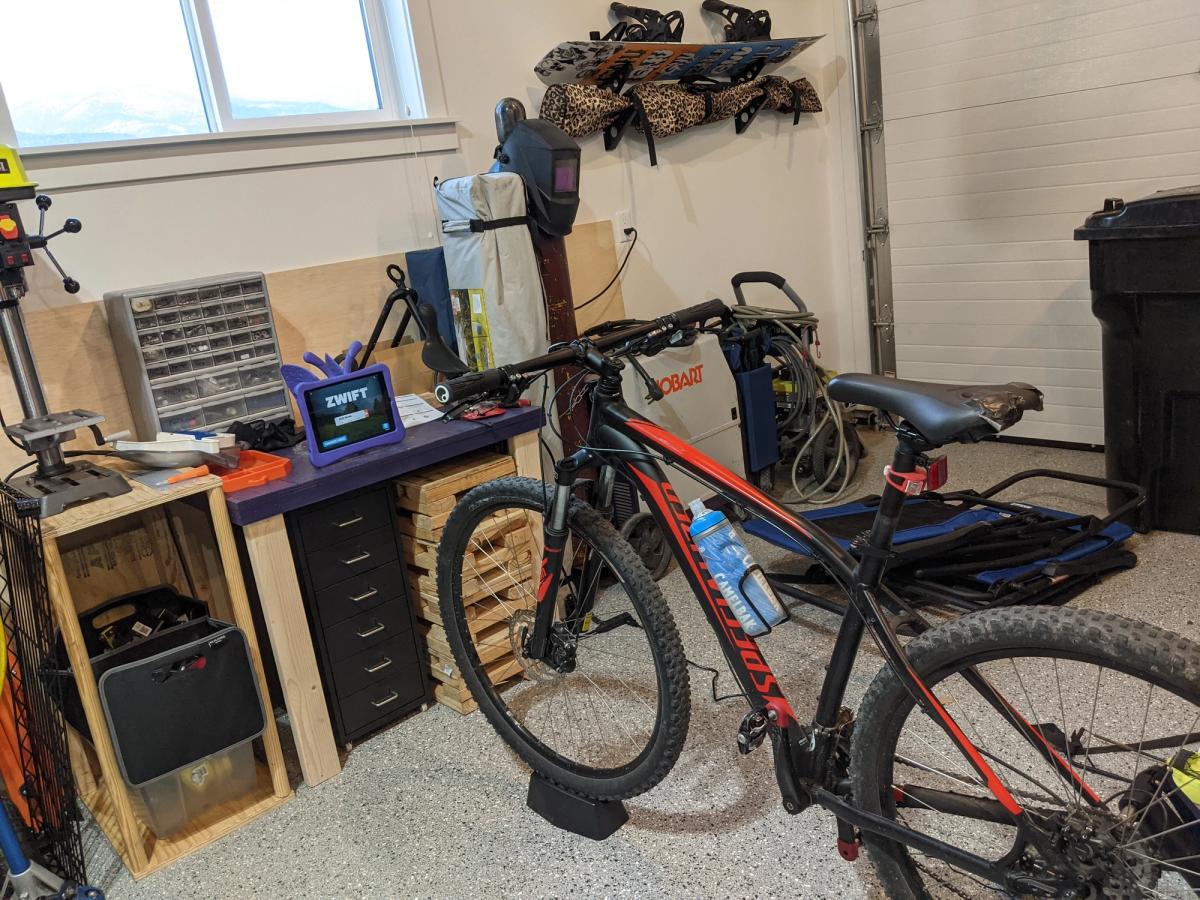
Eventually, I upgraded to a direct-drive Zwift Hub paired with a gravel bike.
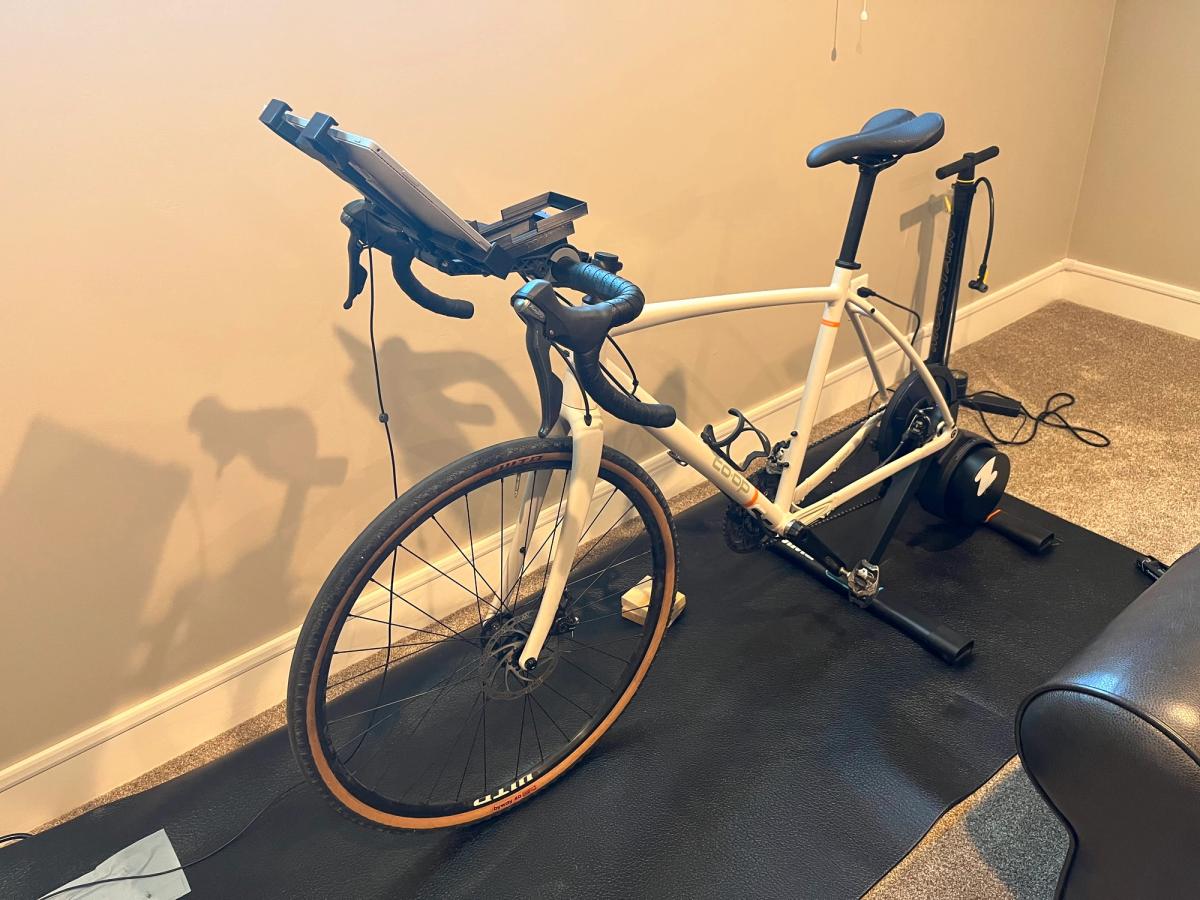
That setup was capable, and the road gearing made much more sense than the 3x8 budget setup I had been running. Structured workouts and virtual racing were surprisingly fun. Still, I’m a mountain biker at heart—I never even rode that gravel bike outside. For me, it’s always been about dirt.
So, out went the gravel bike, and in came my trail bike. I loved virtual shifting, so I kludged together a way to mount Zwift Play shifters to my handlebars alongside a tablet mount.
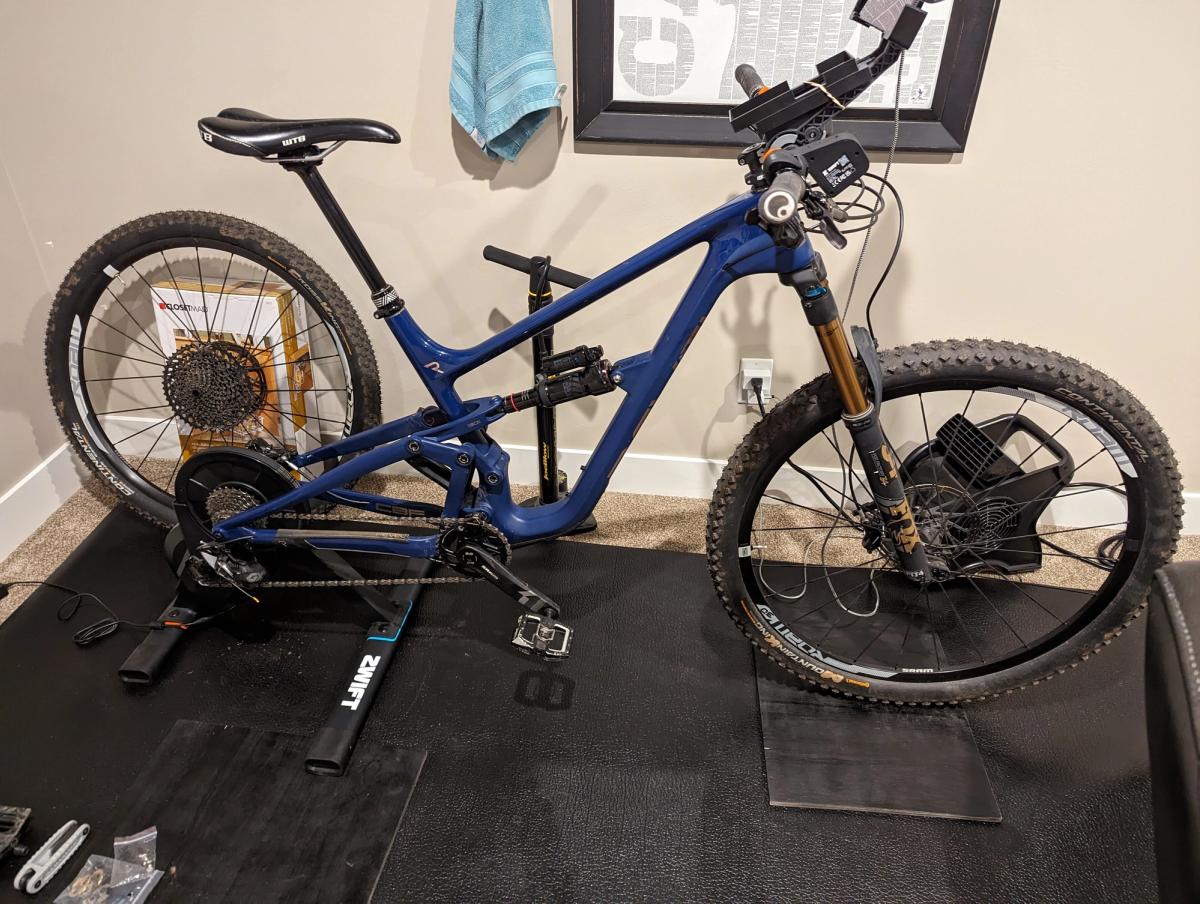
At least this setup gave me proper mountain bike geometry and positioning! But the riding experience still wasn't what I wanted.
While structured workouts and racing were great, putting in serious time for Zone 2 base training was brutal. Even with the TV on, I struggled to stay engaged. Completing virtual routes didn't scratch the itch either—many routes felt repetitive, especially the shorter loops.
I tried alternatives. MyWhoosh? It felt eerie riding through empty virtual cities with almost no other users. Video-based platforms were interesting, but the routes were often so long I knew I’d never finish them.
The Spark for DirtWatts
Around 2024, after seeing a video of a VR headset paired with a full-motion mountain bike rig, I realized there was space for a dedicated mountain bike trainer experience. I bought Unity assets and started writing C# code. Long story short: Bluetooth protocol headaches and the reality of sweating heavily into a VR headset put that early prototype on the shelf.
Fast forward to late summer. With forecasts pointing toward a long winter, I faced another season on the trainer. Reluctant to repeat past winters, I looked around and was surprised to find there were still no mountain-bike-focused trainer apps.
However, two things had changed:
- Tech Evolution: I noticed a rise in GPX-based riding apps utilizing Three.js for impressive browser-rendered 3D graphics, offering a sleek path past the technical hurdles I had hit with Unity.
- AI Tools: AI tooling had matured, making rapid feature development feasible alongside a full-time job.
I sat down and brainstormed what a true mountain biking trainer app needed to be:
- Real-World Trails: A broad collection of routes ranging from short loops to epic rides, all built from actual real-world trail data.
- MTB-Specific Physics: Realistic friction models—no coasting at 20 mph through tight singletrack unless you’re putting down serious watts or descending. No taking 50 mph sharp turns without braking; you have to manage your momentum over rolling terrain, just like on real dirt.
- Authentic Environments: Landscapes that retain the character of their real-world inspirations. Red rock and sparse vegetation for Moab and Sedona; alpine pines up high and high-desert flora down low for Park City; dense forests and scree fields for Breckenridge.
- Accessibility: Built to be accessible and affordable for everyday riders, avoiding bloated infrastructure or high upfront costs before proving its value.
With those core principles set, the DirtWatts roadmap was born.
I’ll share more details in upcoming posts about how we're tackling environment generation, physics modeling, and trail integration. In the meantime, I hope you’ll join me for the ride and give DirtWatts a try.
— Jeff